Decred
A common language for a project built by many.
Decred brings together people building an open-source system for digital currency and collective decision-making. My work helped give that shared effort a recognisable identity, usable products and a design practice that others could contribute to.
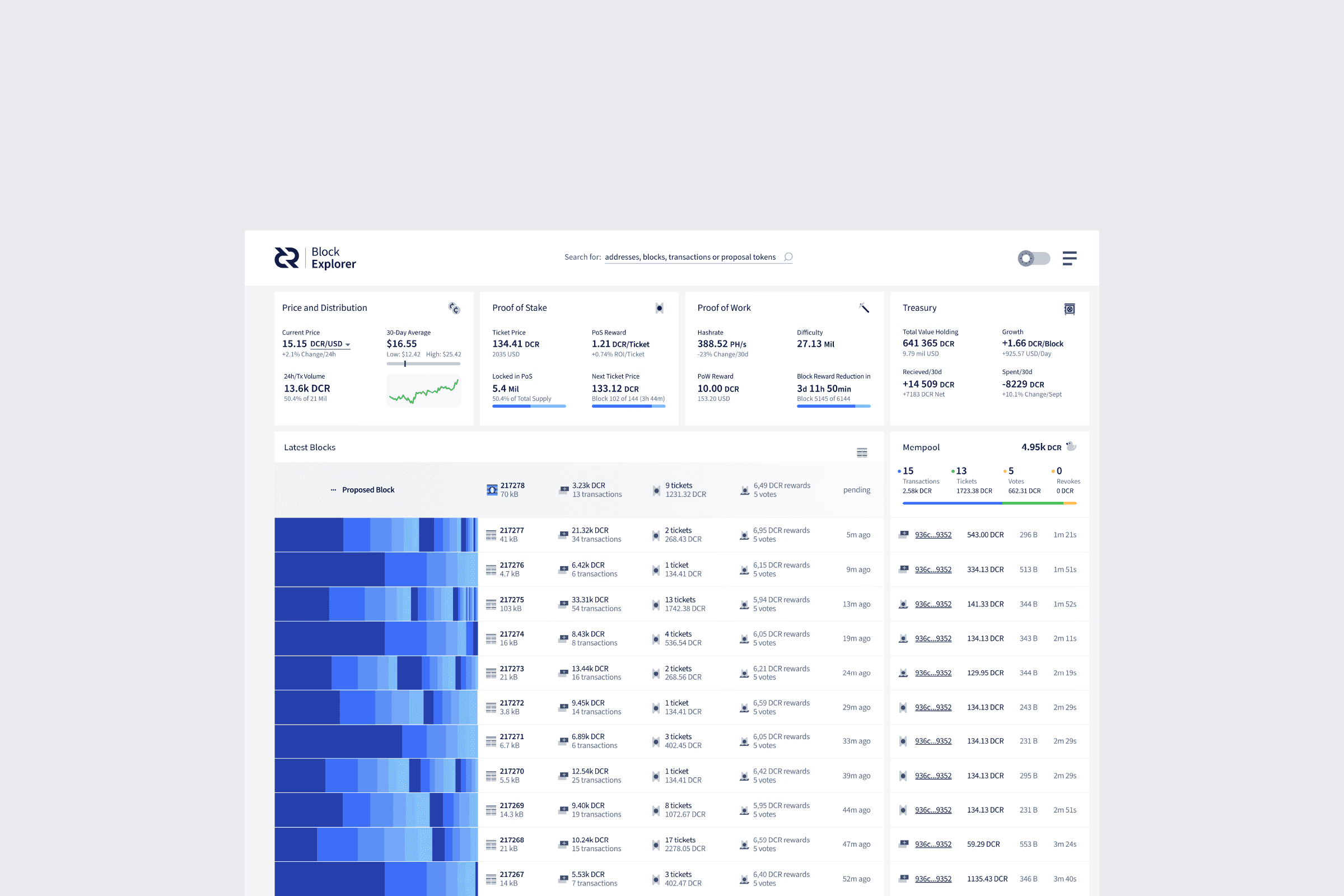
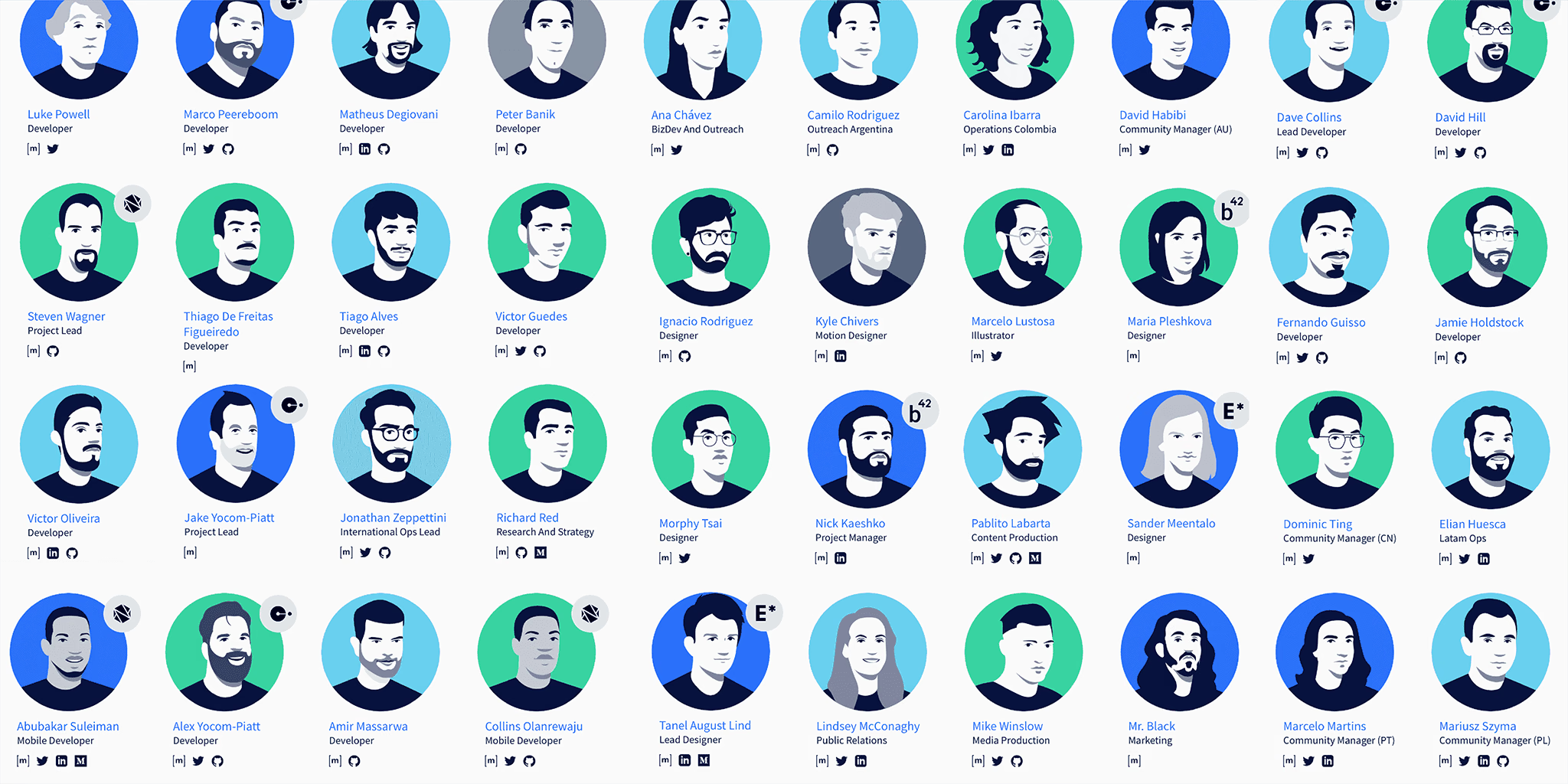
My involvement began in 2016 with winning the project’s first product-design RFP. I initially led design studio EETER’s contribution, later overseeing design across the project. I co-authored Decred’s identity, contributed to core software products, and helped grow a design effort involving more than 20 contributors.
An identity the community could use.
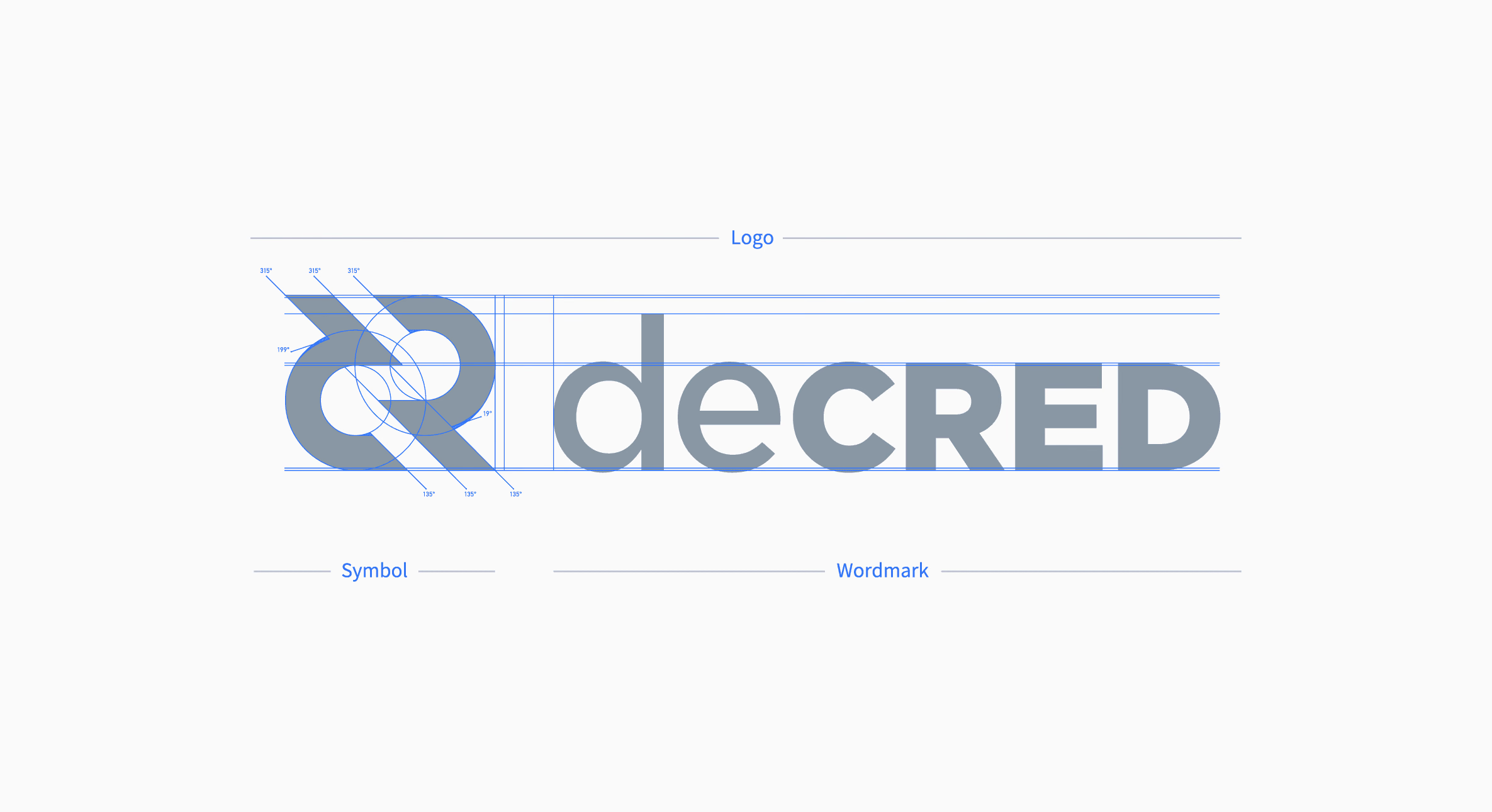
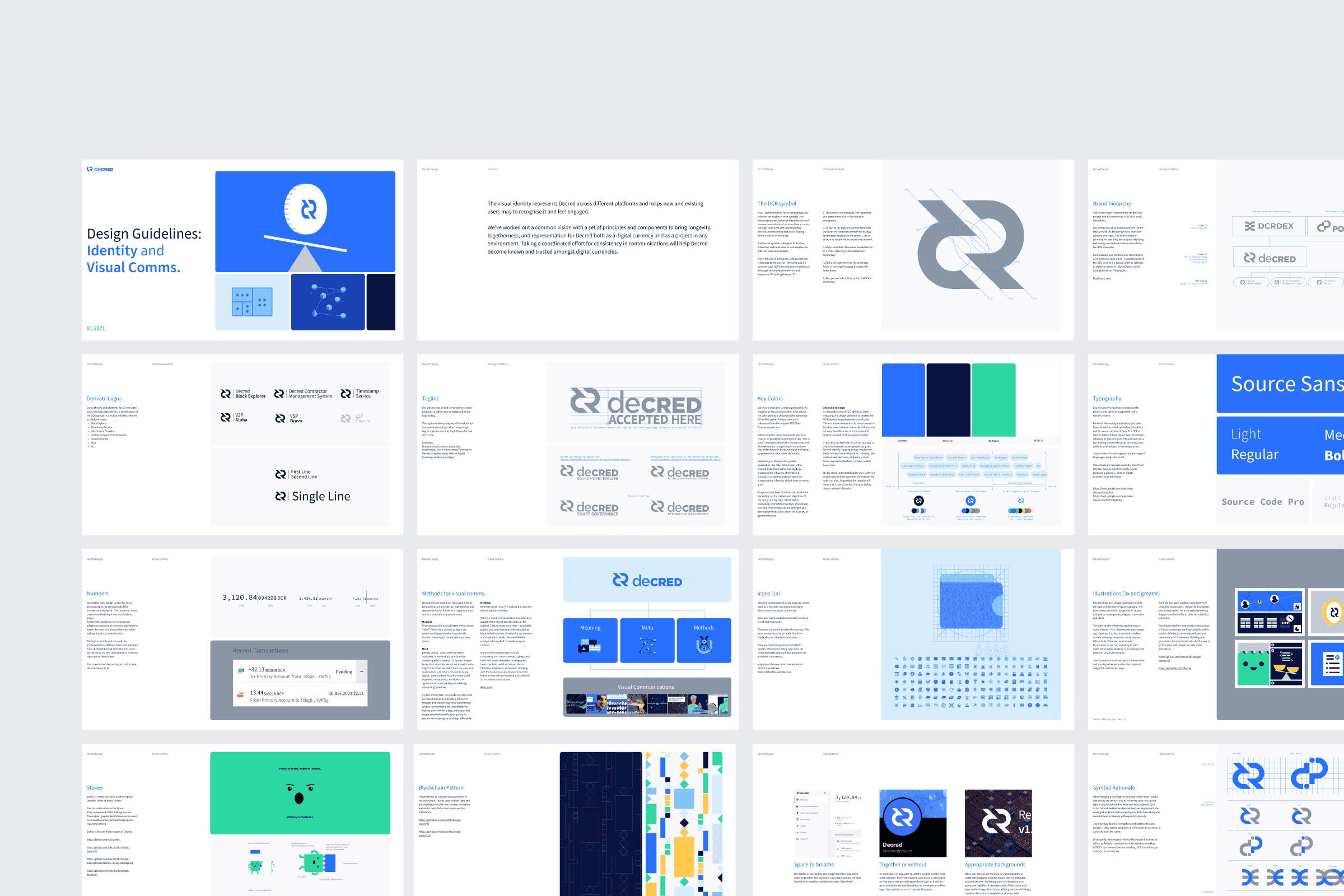
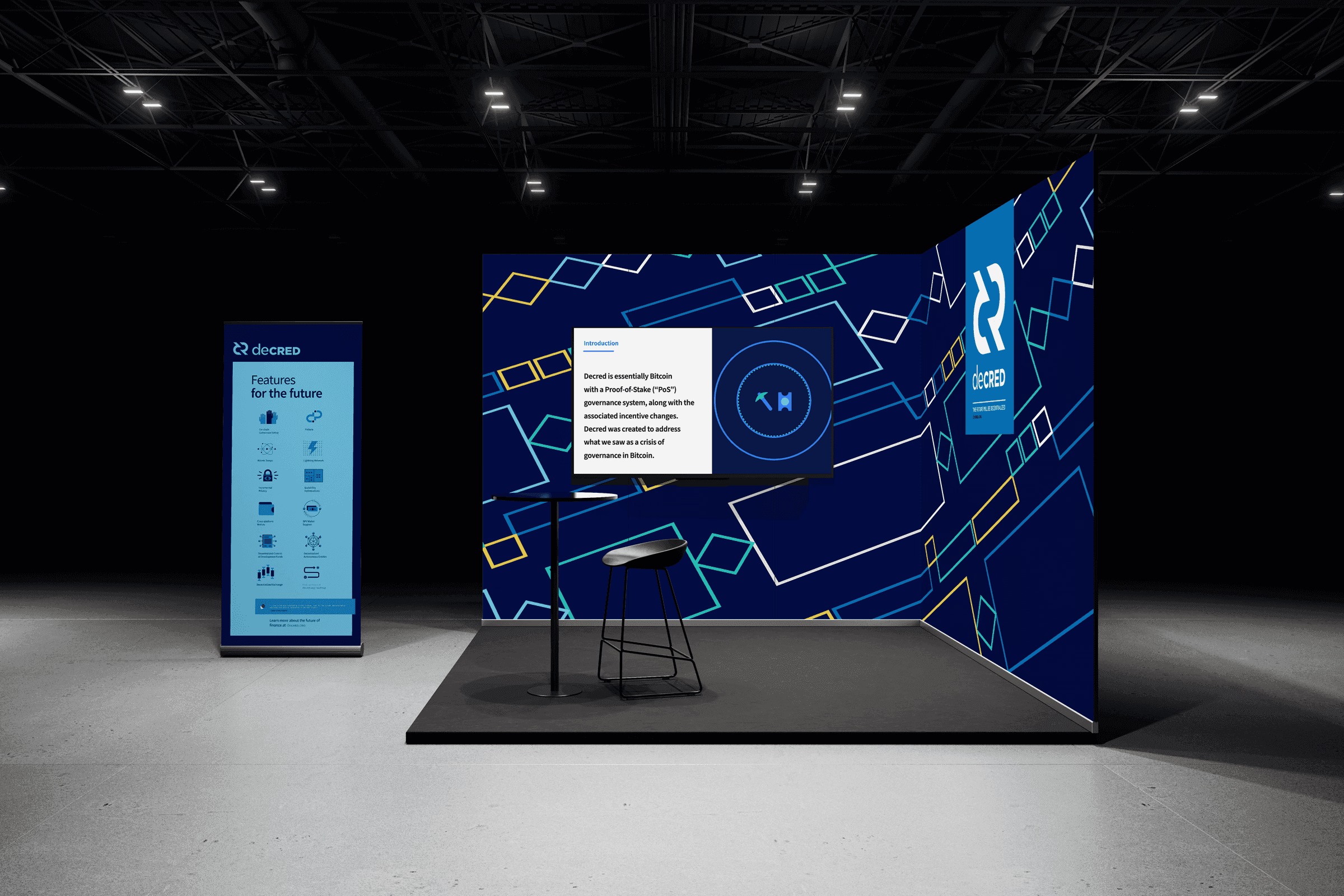
The identity was designed to work across a distributed project. Its symbol needed to remain recognisable at small sizes, in different environments and even when drawn by hand.
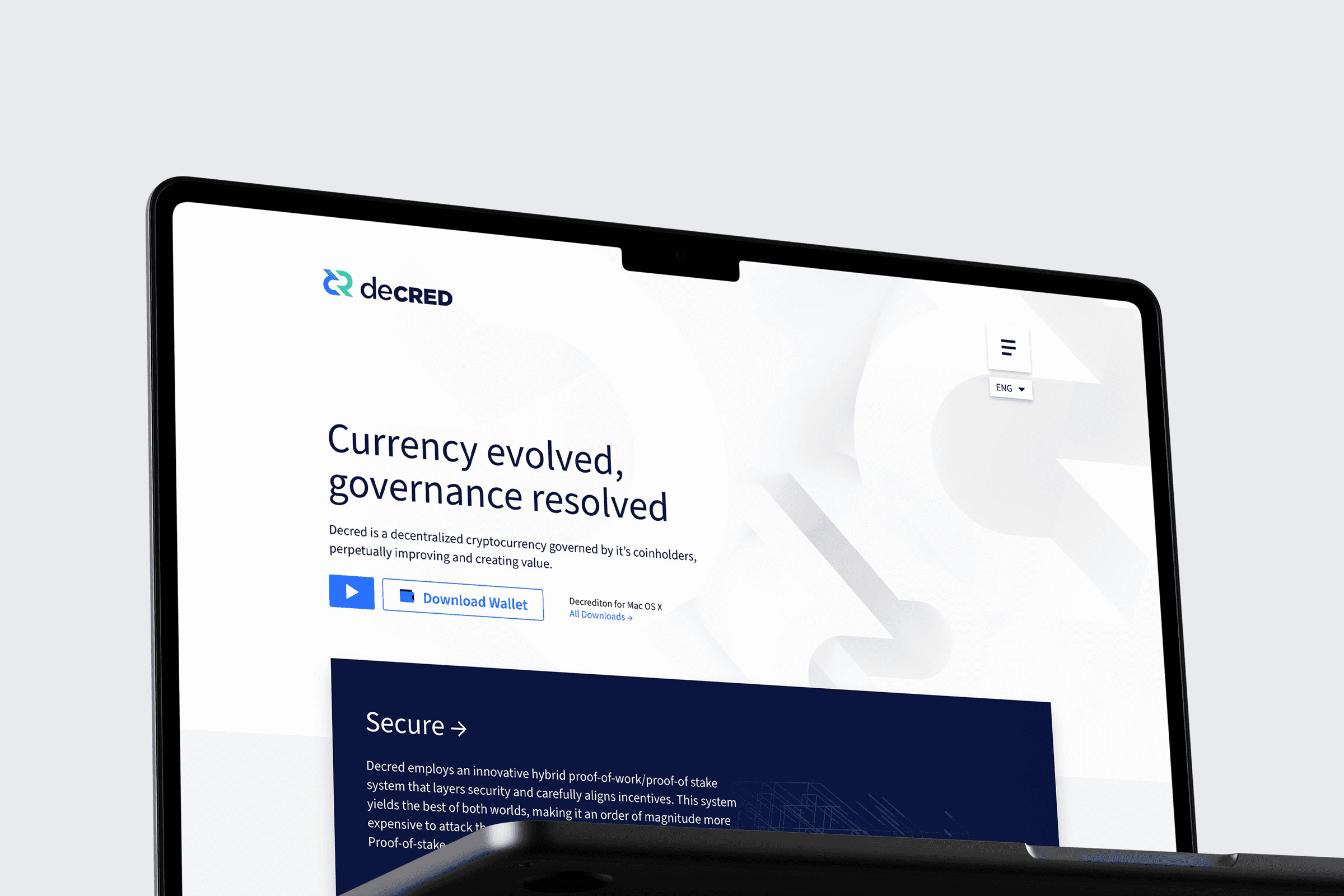
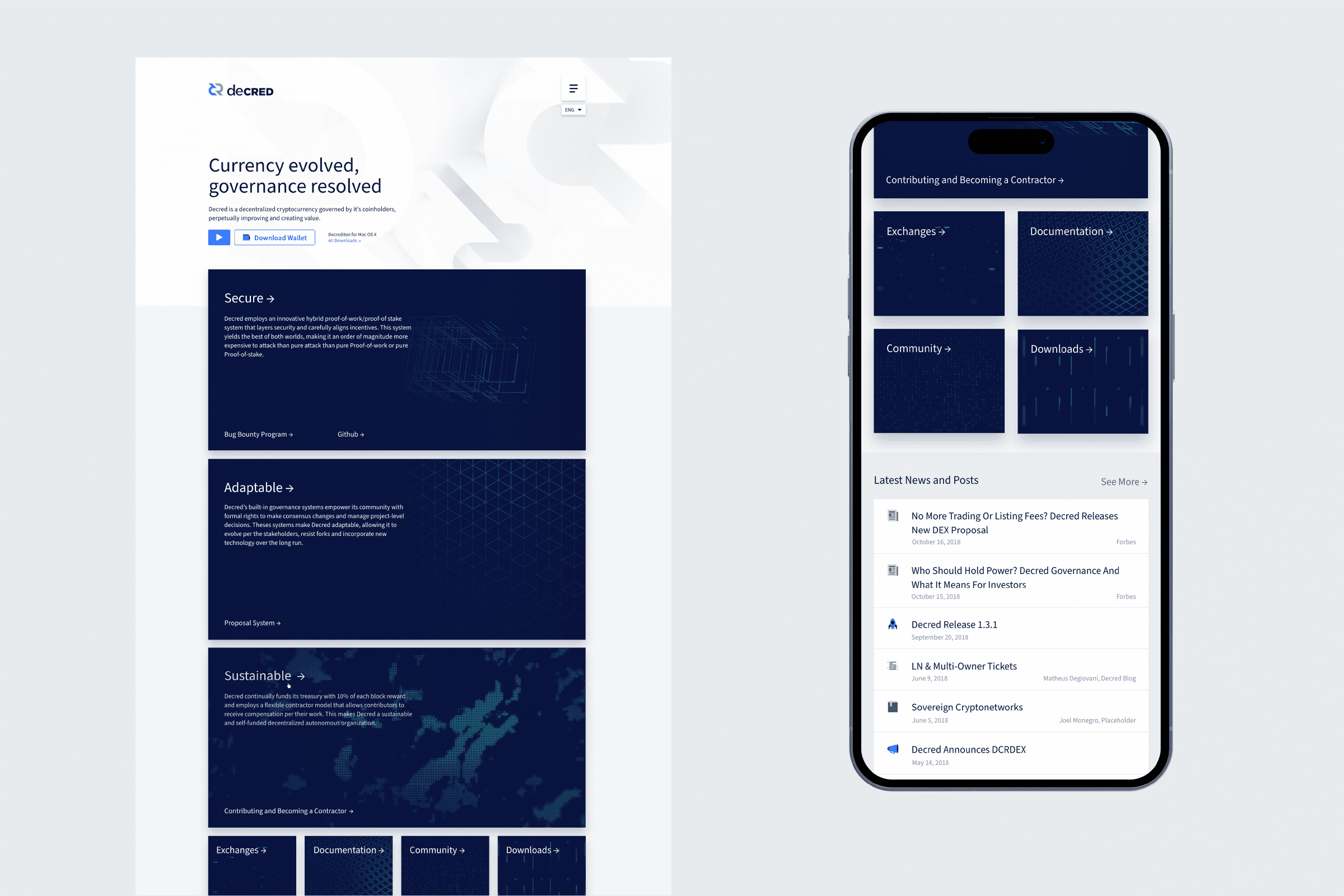
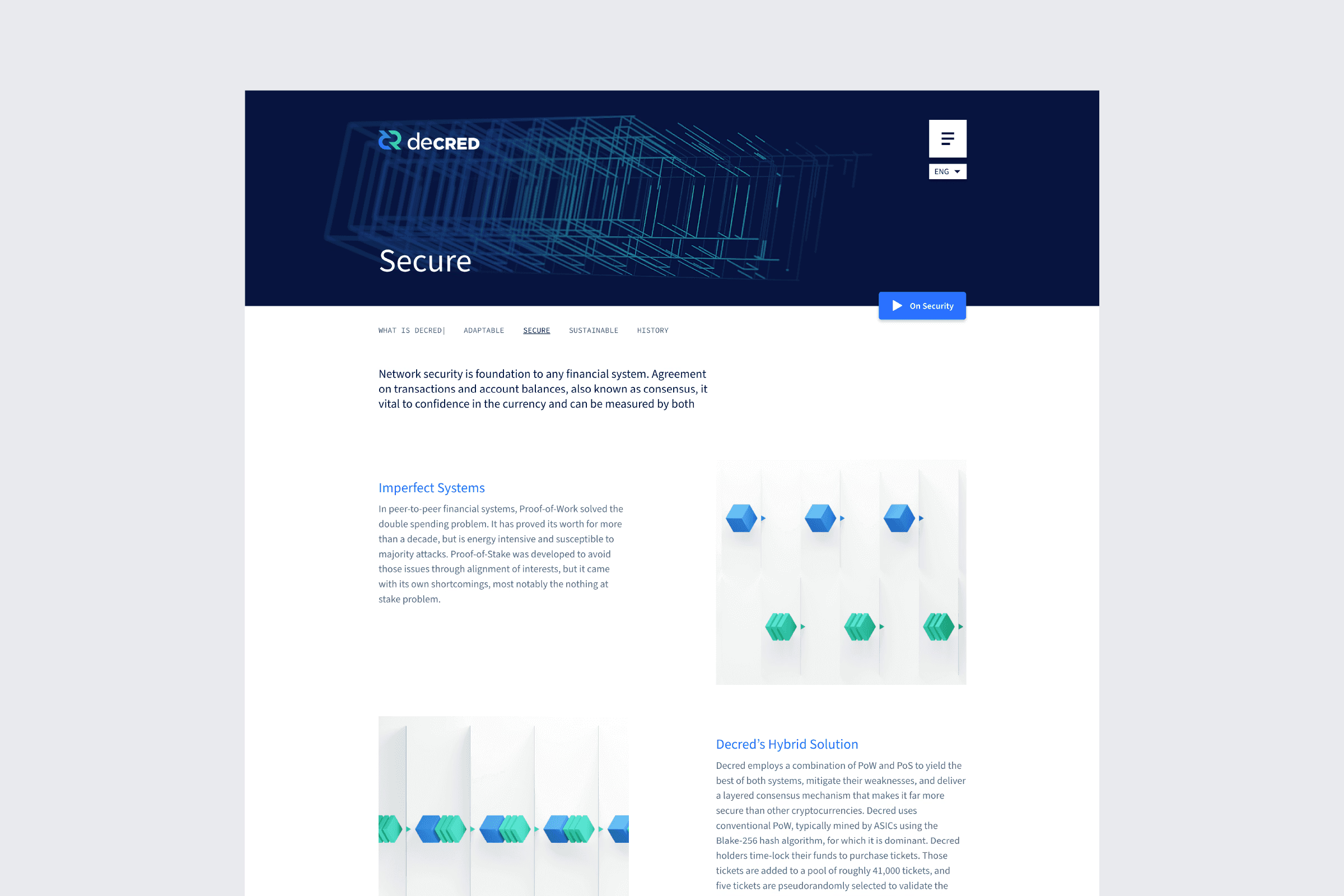
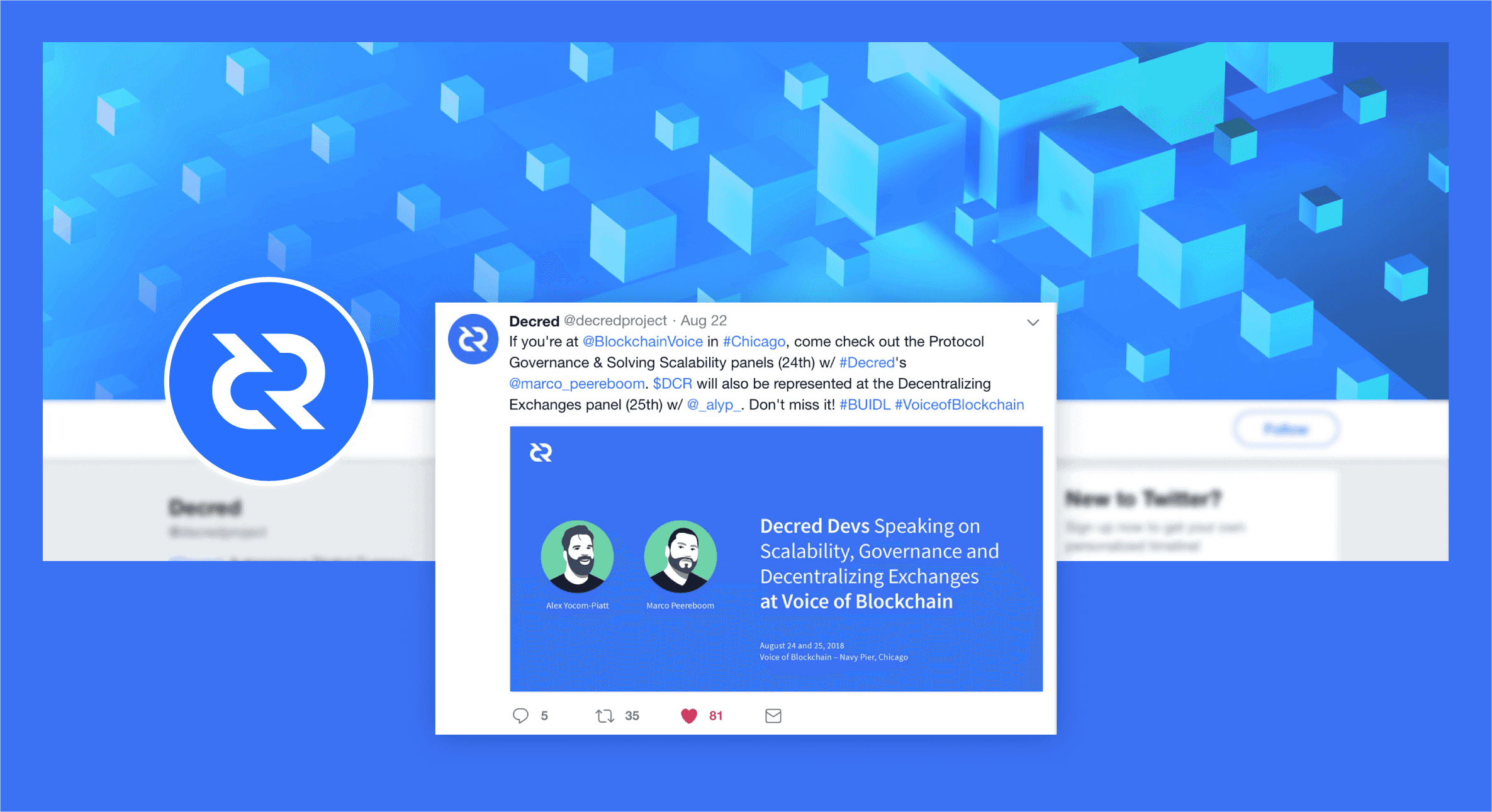
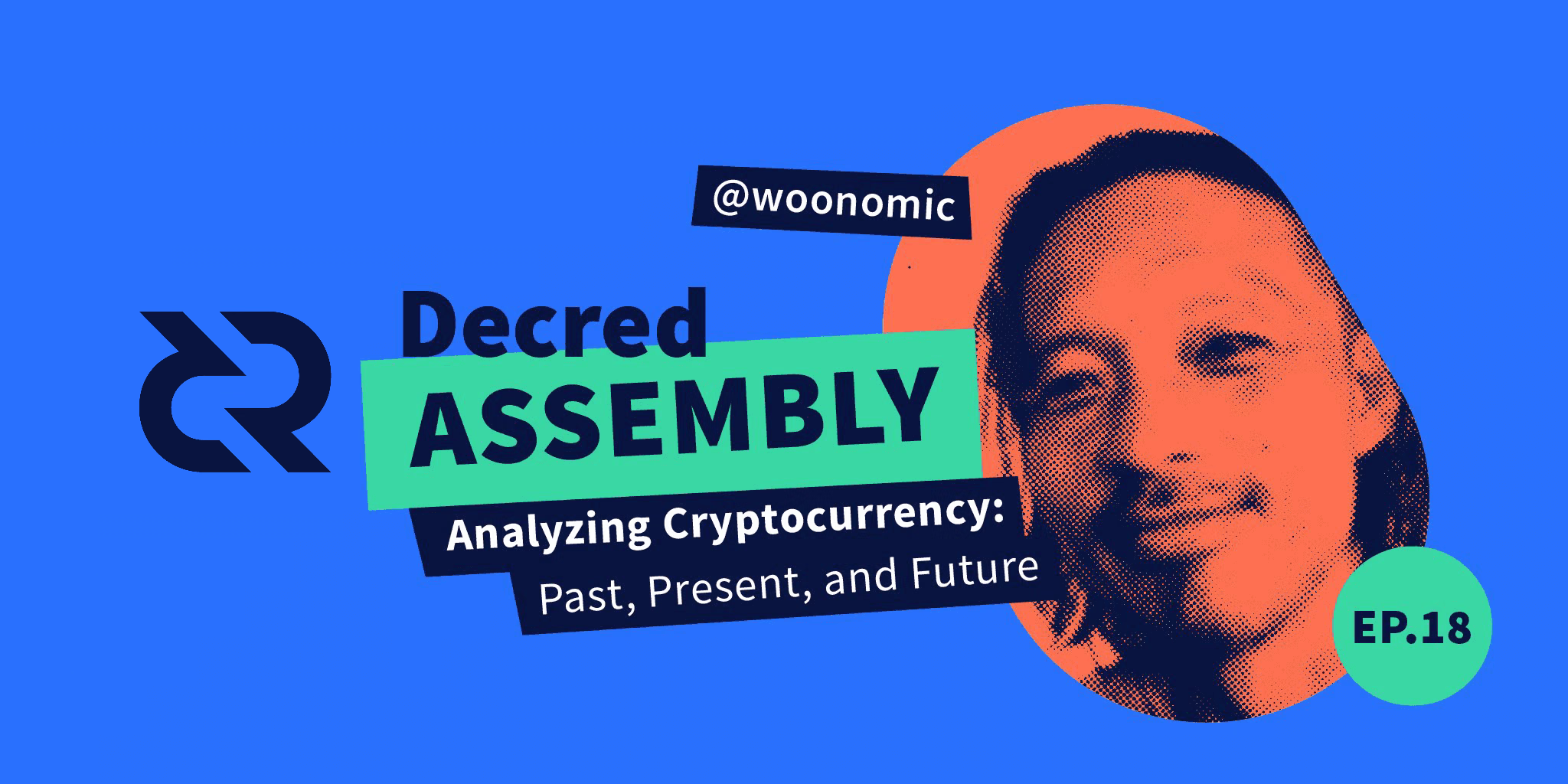
Around it, we developed shared principles, tools and asset libraries that contributors could use independently. The February 2017 rollout brought a new identity, updated project websites and a reusable branding package into use.
This gave people a common starting point for communicating about Decred and building new work around it.

Making powerful software understandable.
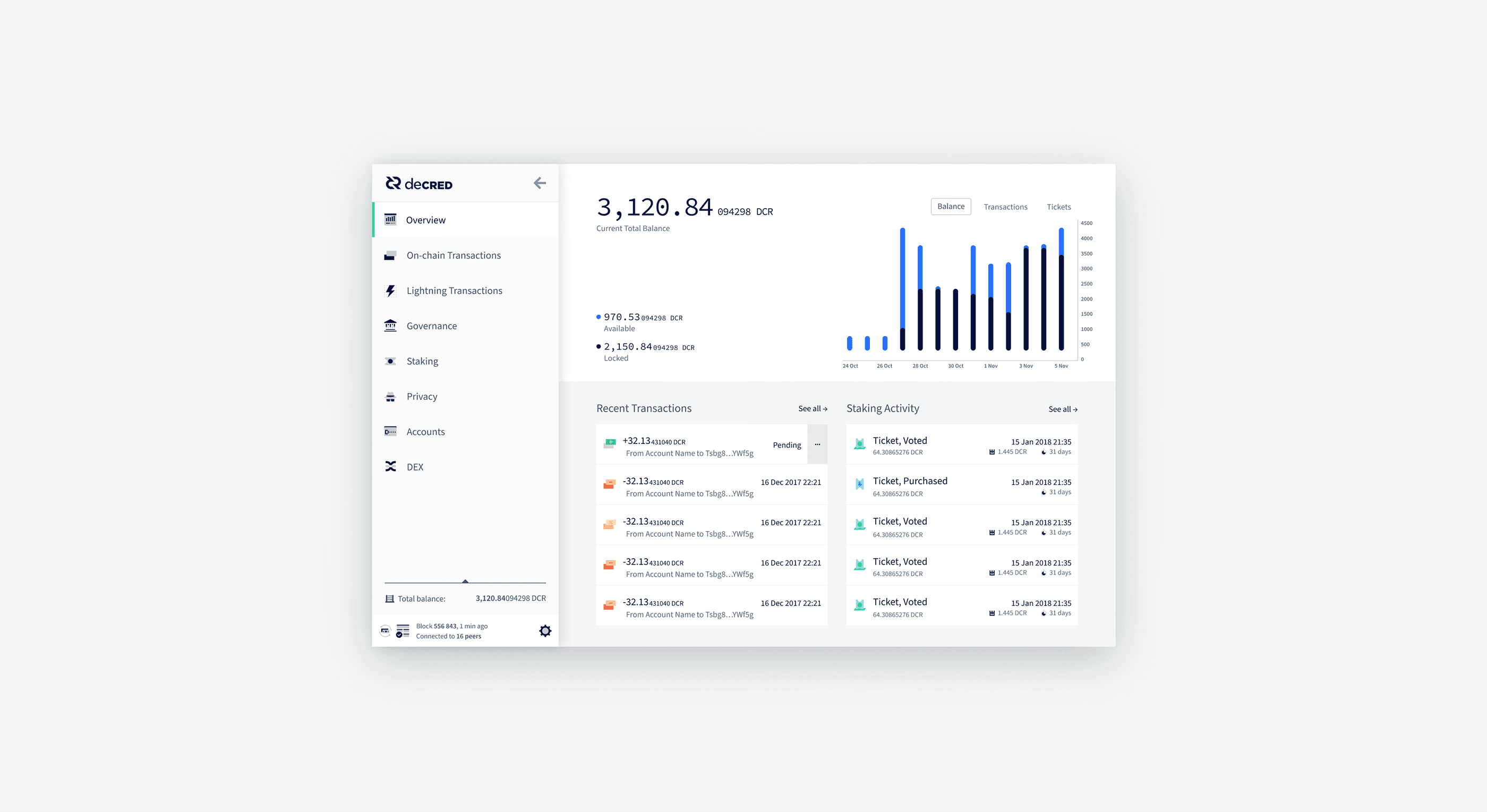
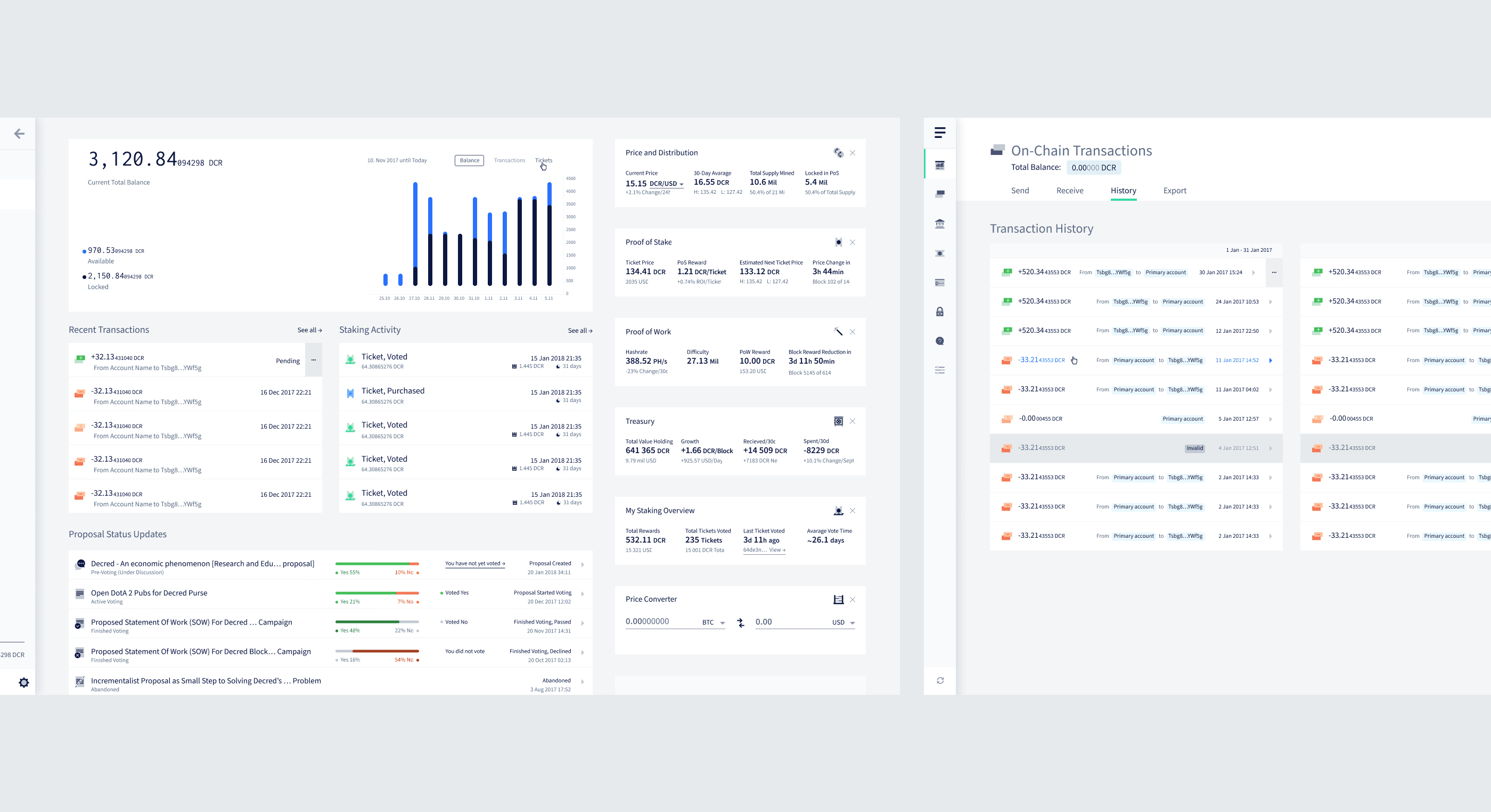
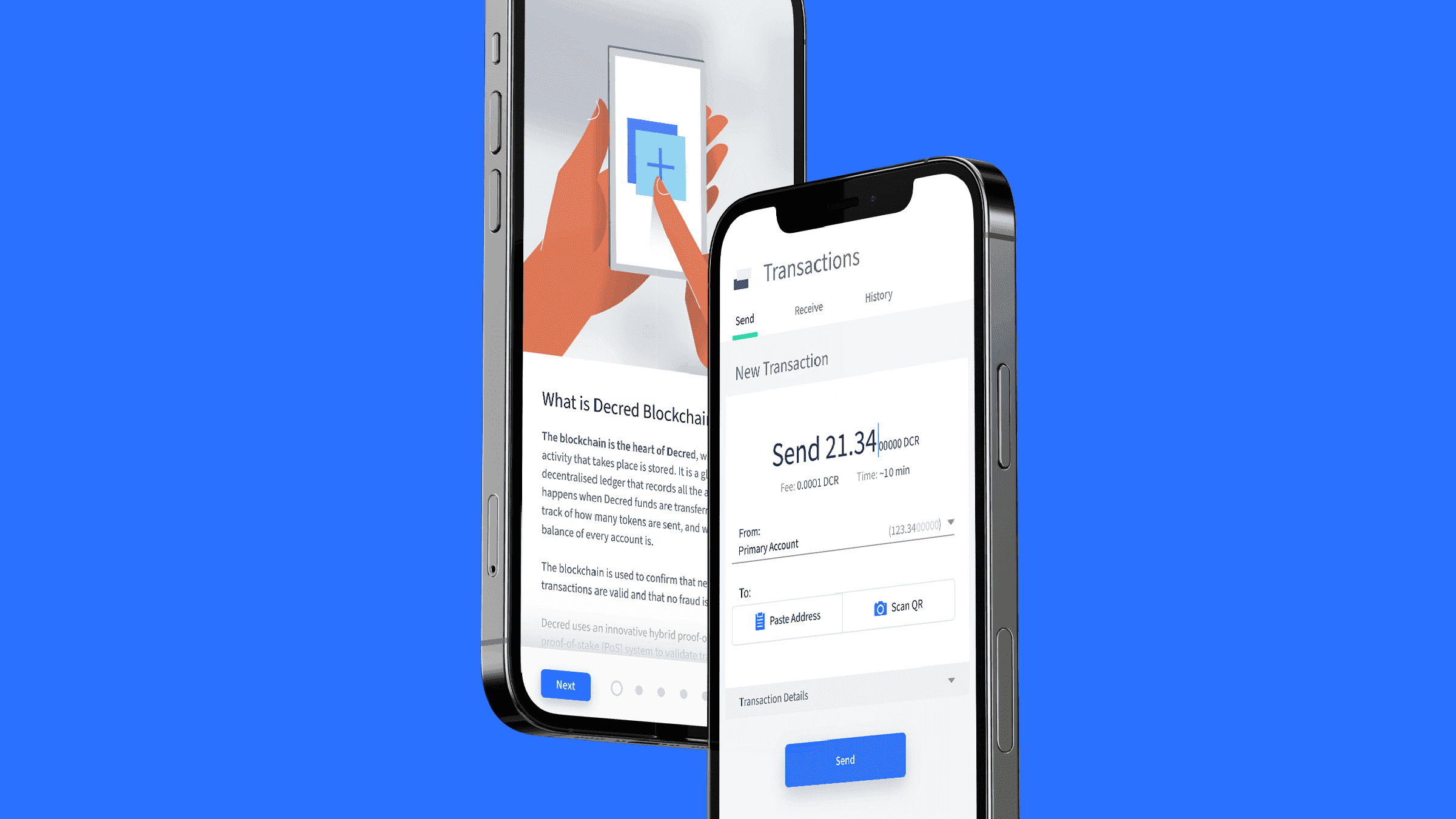
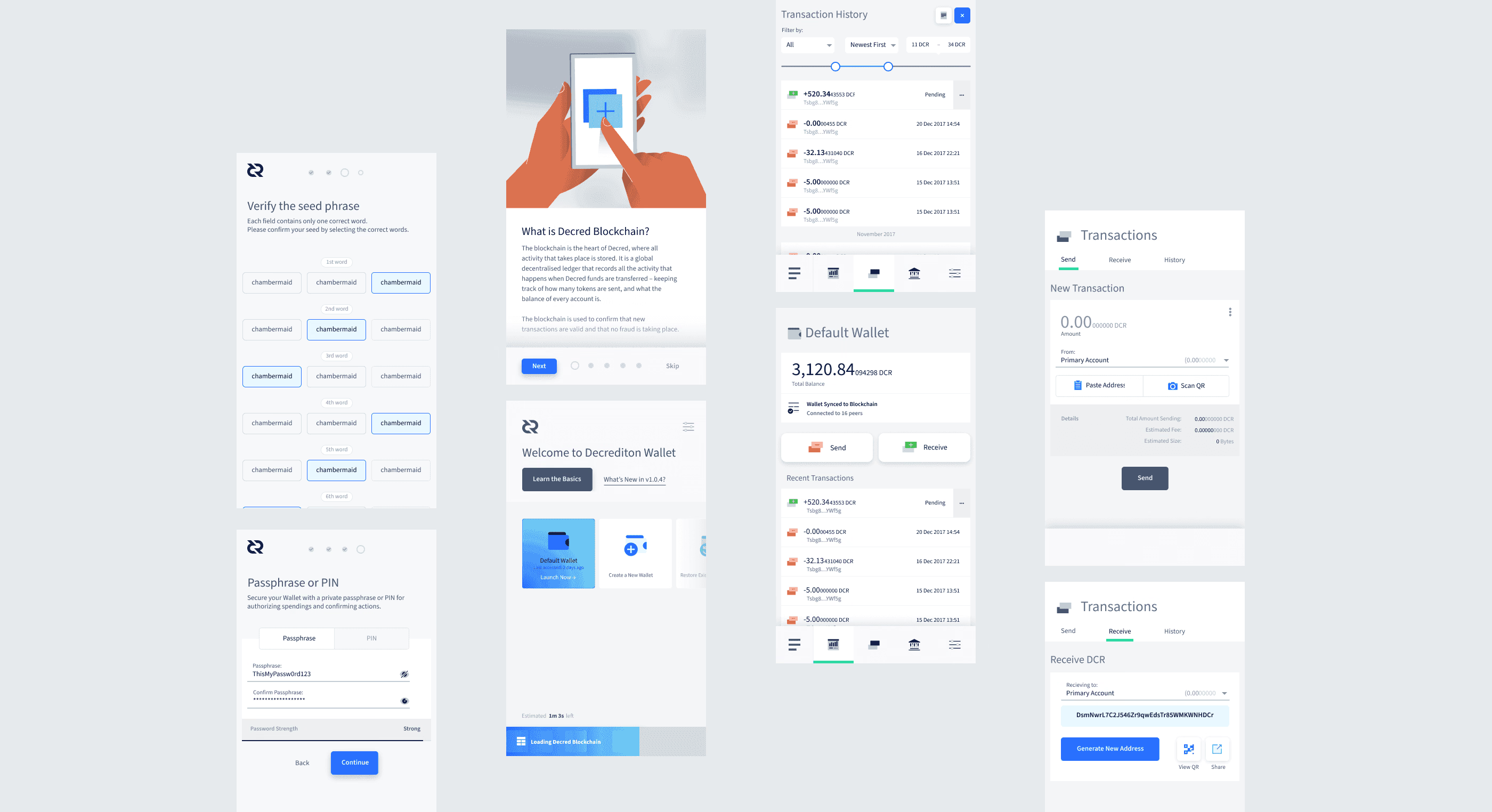
The wallet work involved translating technical capabilities (often novel command-line functions without a graphical interface) into interfaces that people could navigate with confidence.
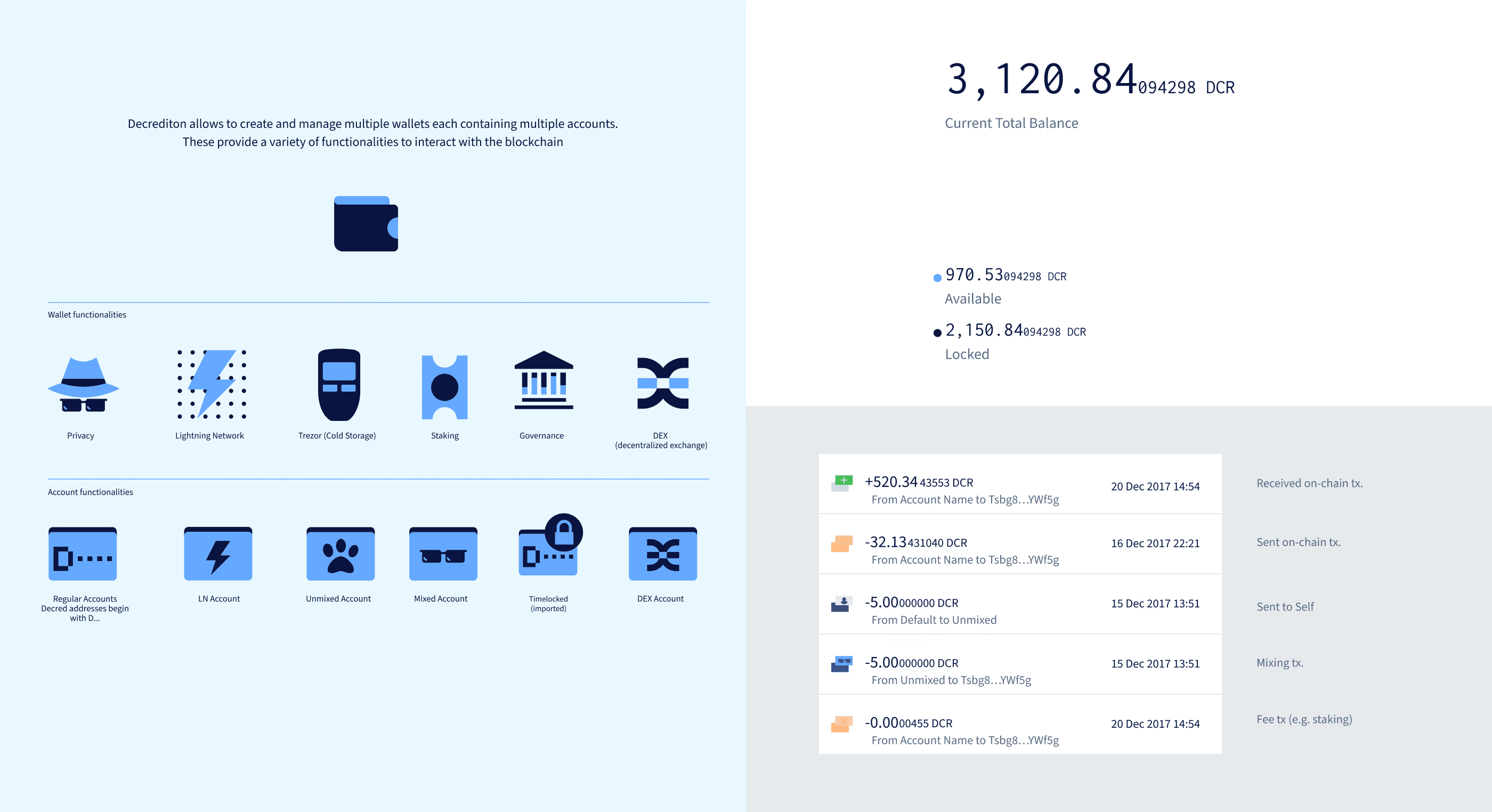
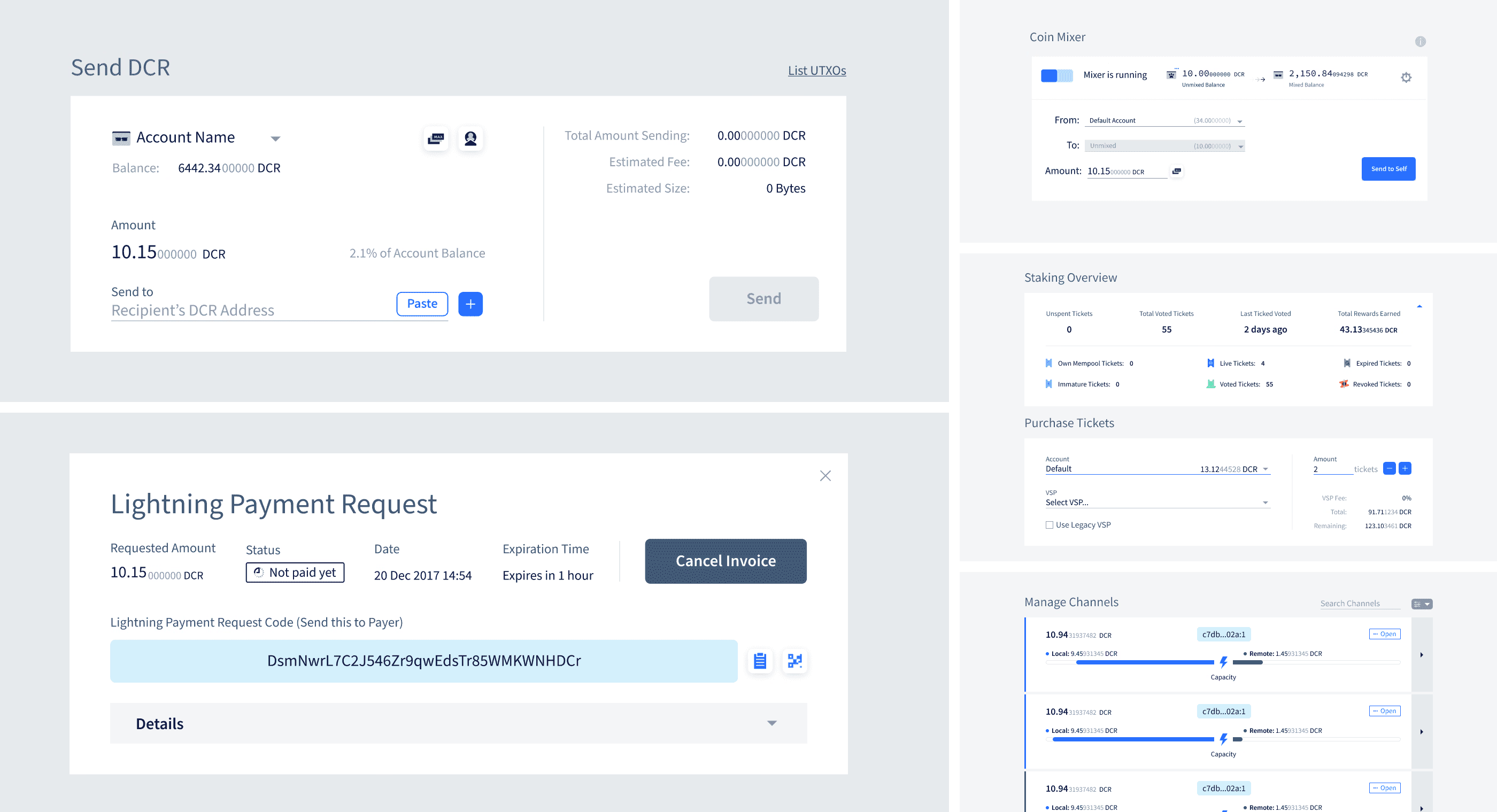
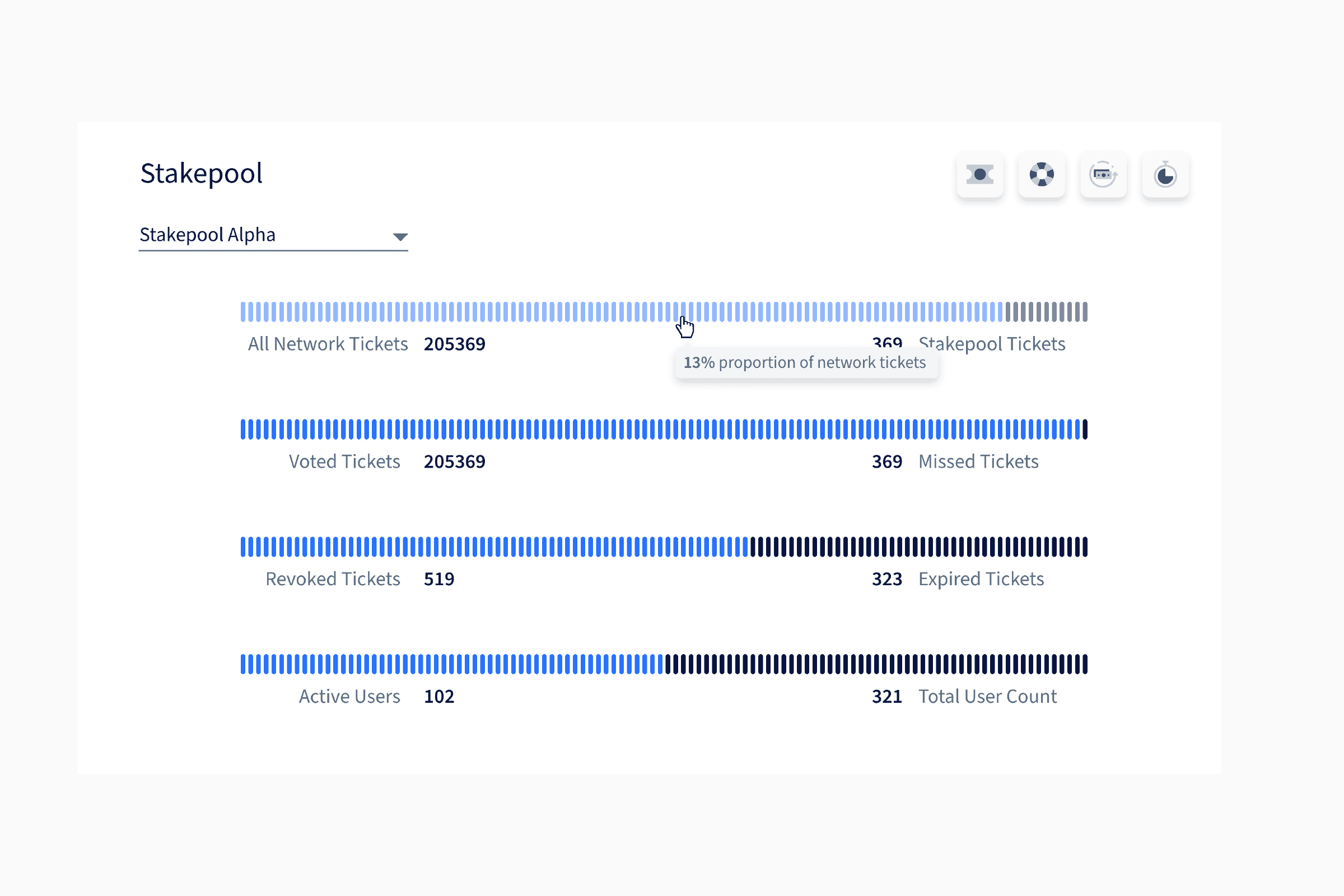
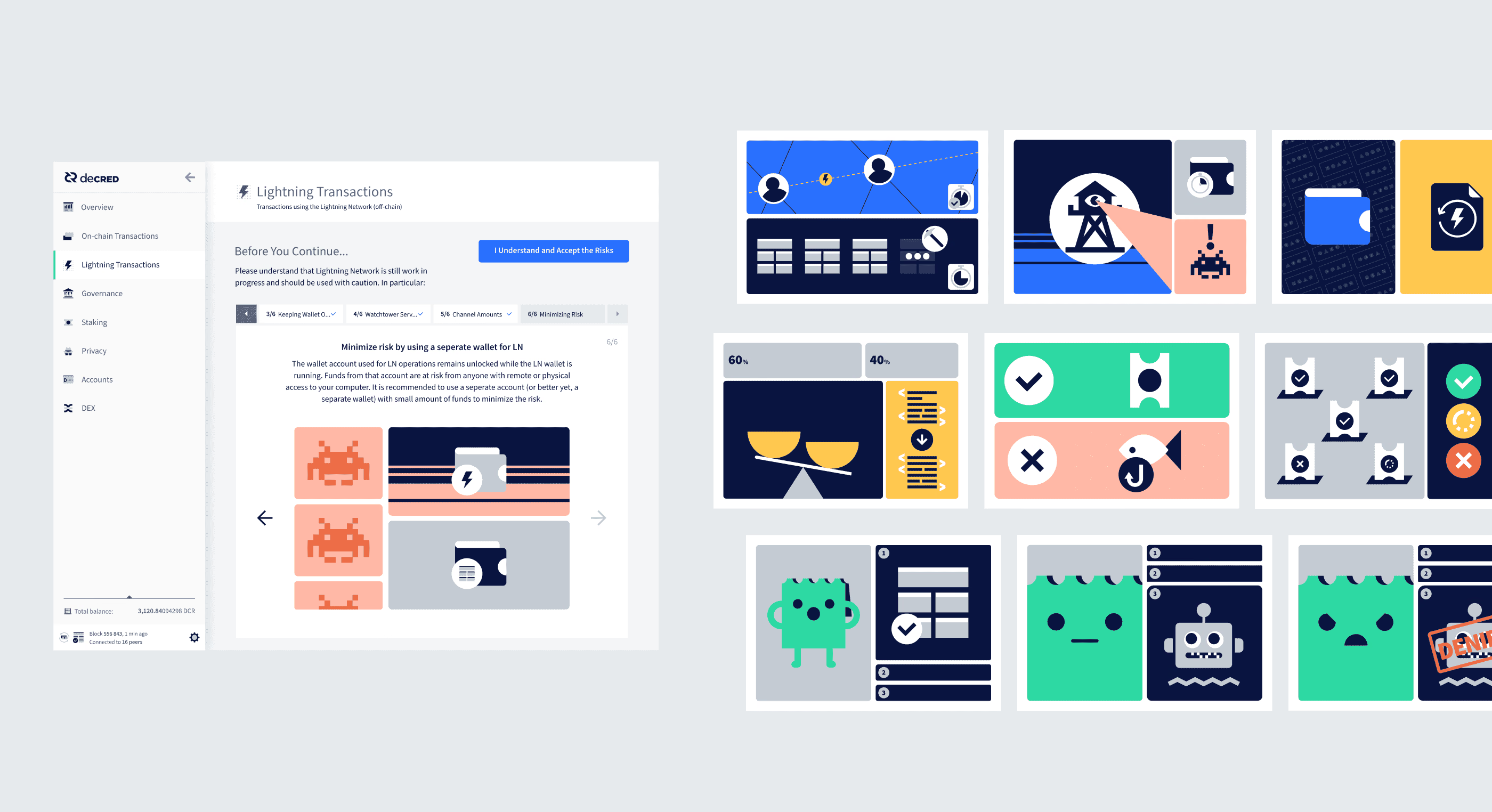
My contribution began with early wallet design and extended into Decrediton. We worked through onboarding, payments and more advanced features, paying particular attention to the responsibilities that come with managing your own keys.
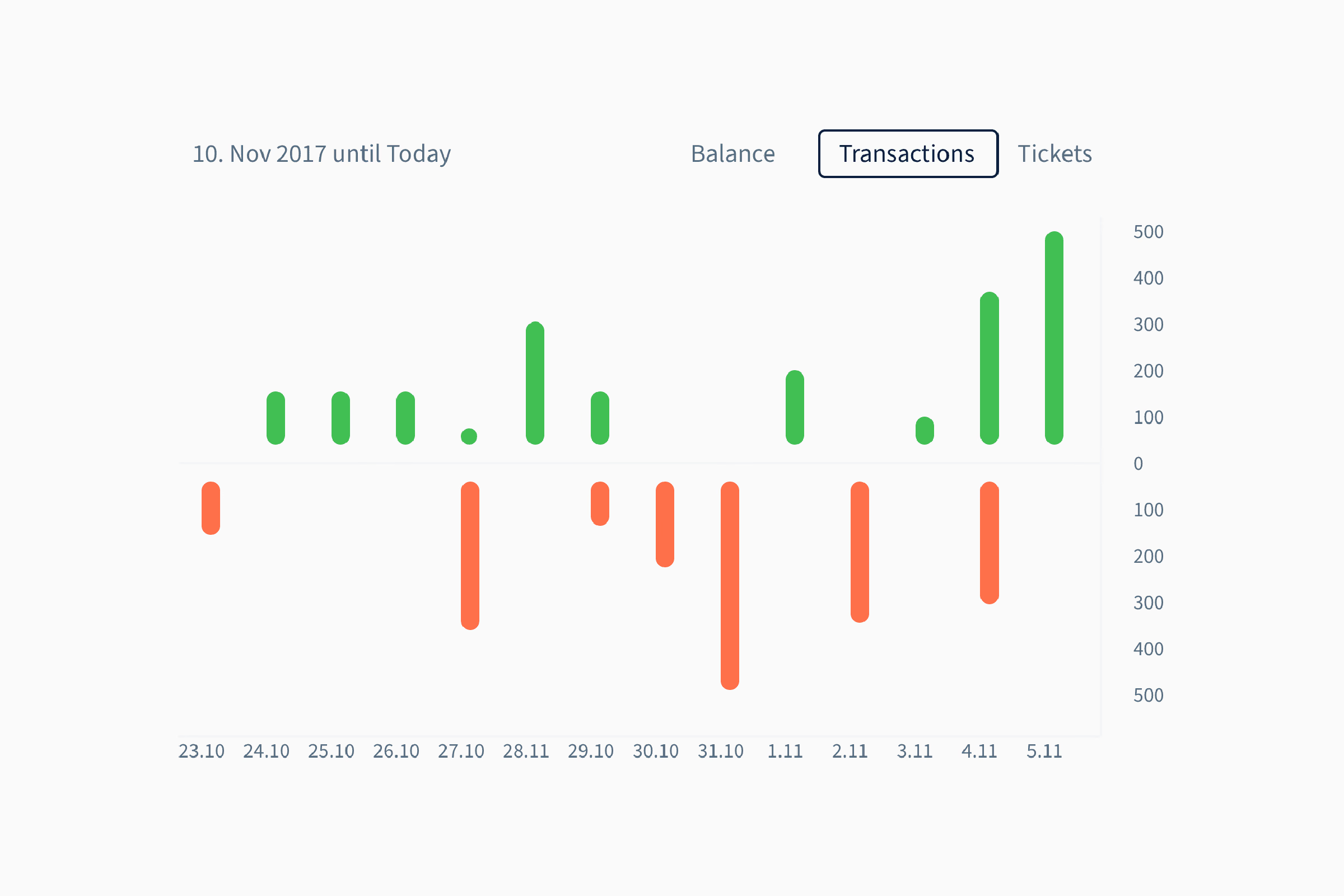
Clear explanations, contextual guidance and feedback supported that learning process. Layout, motion and typography helped organise dense information, including amounts displayed to eight decimal places. High-contrast options addressed different viewing needs.
The design challenge was to make the software approachable while preserving the depth experienced users needed.
Making participation easier to follow.
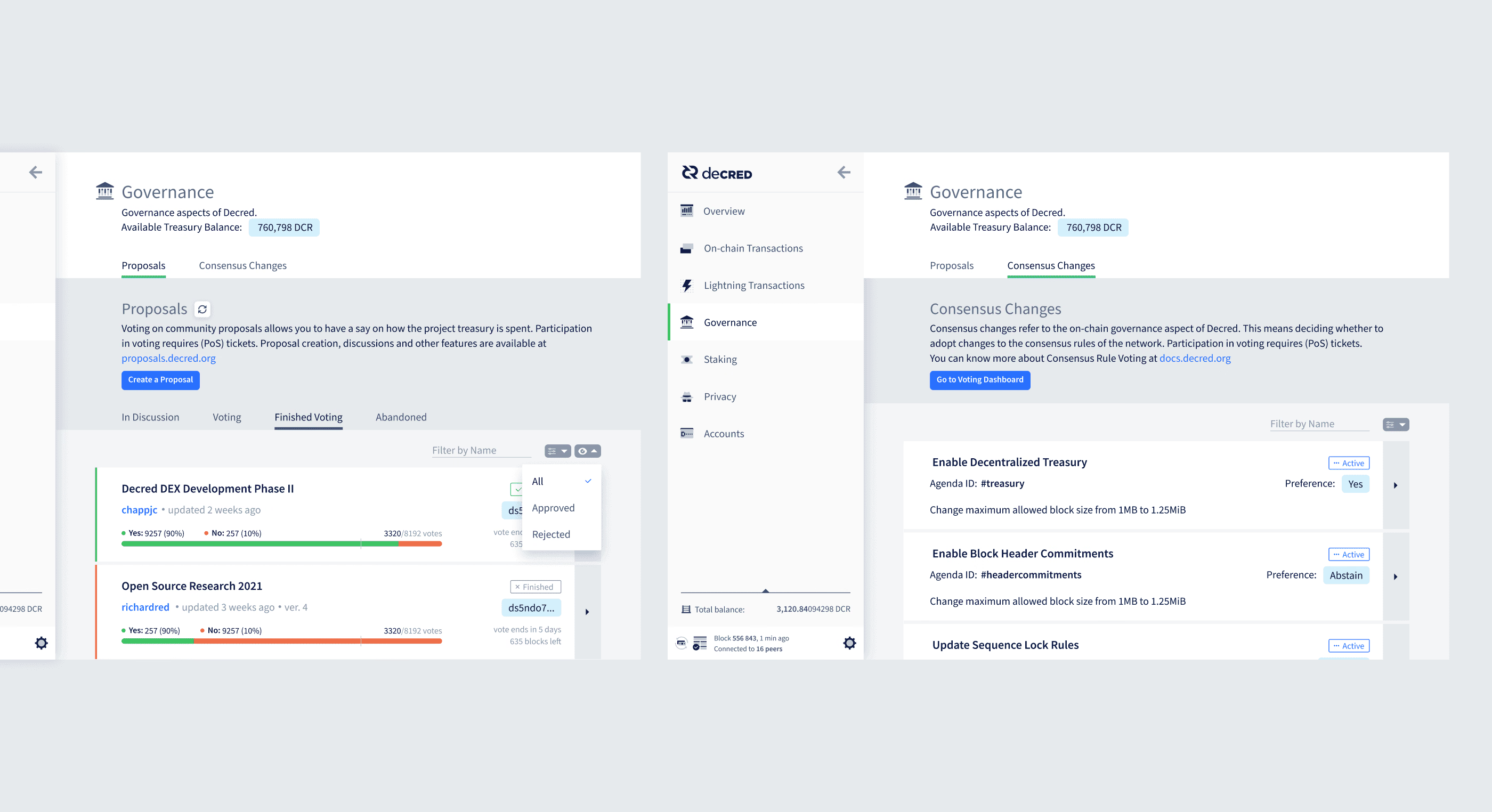
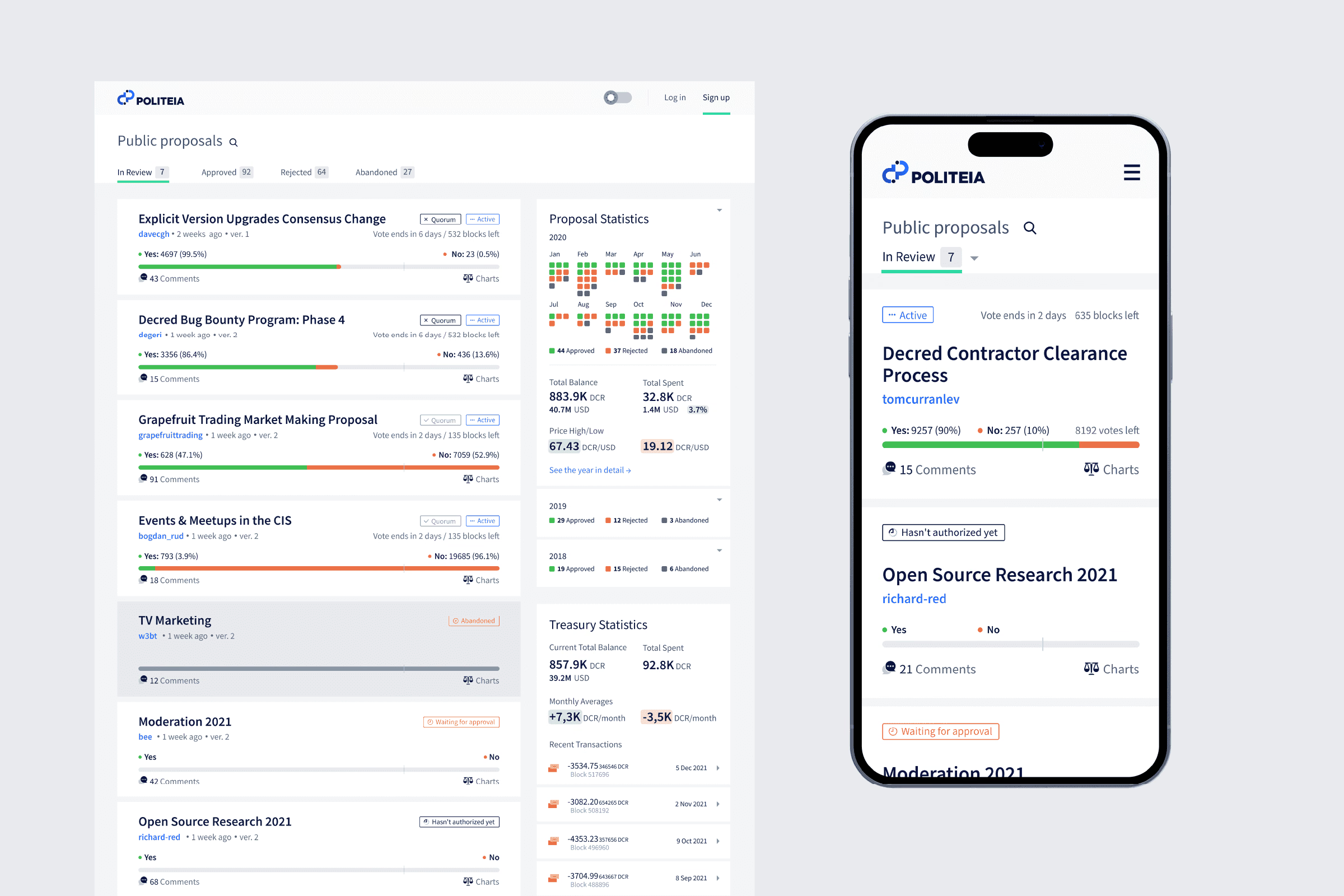
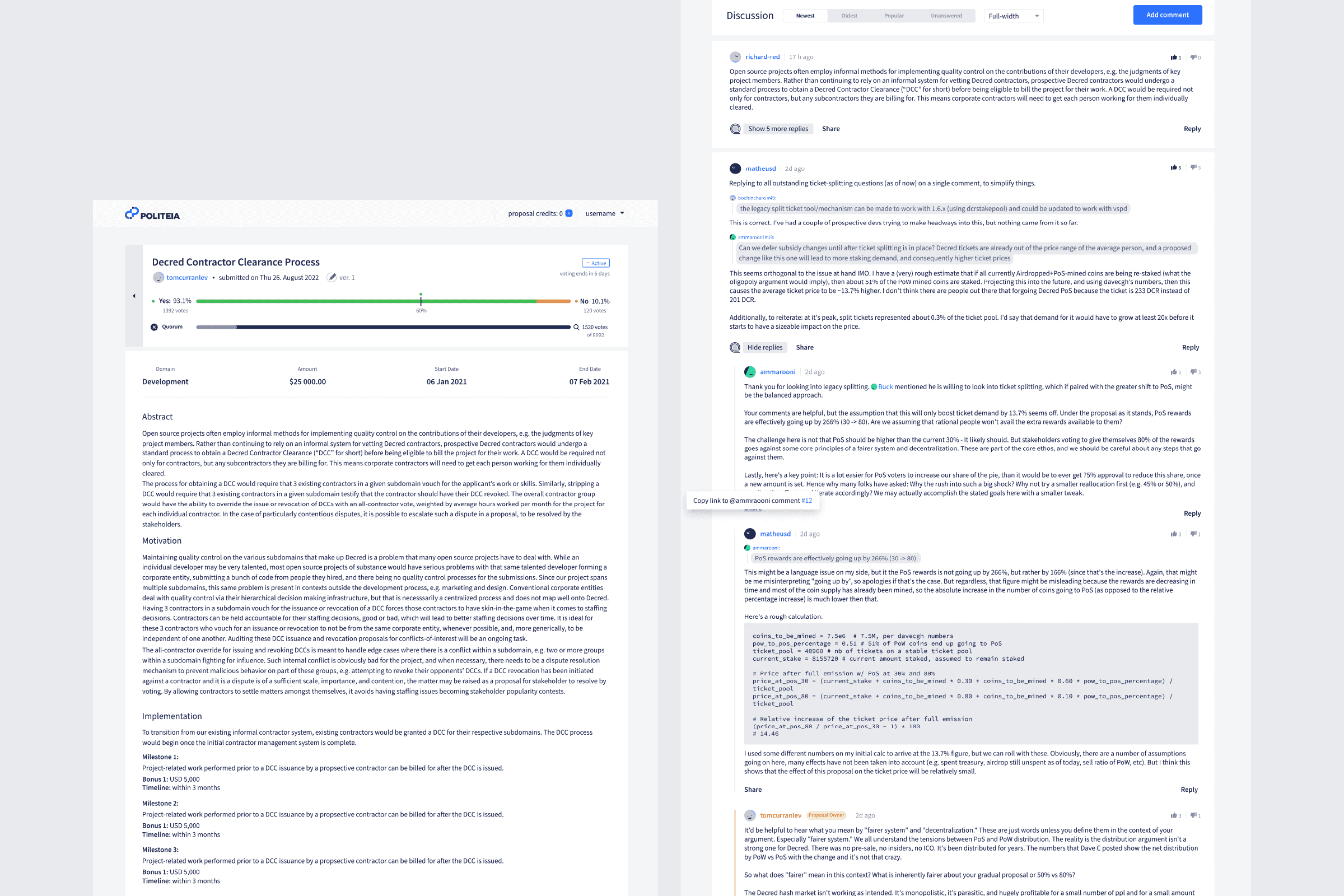
For Politeia, Decred’s proposal platform, I worked on early prototypes and the experience of submitting, discussing and following proposals.
The interface needed to communicate where a proposal stood, what participation required and how a decision would be reached. Work across Politeia and Decrediton also informed pi-ui, the UI design system for related products. It brought shared components, visual rules and interaction patterns into a common foundation for design and implementation.
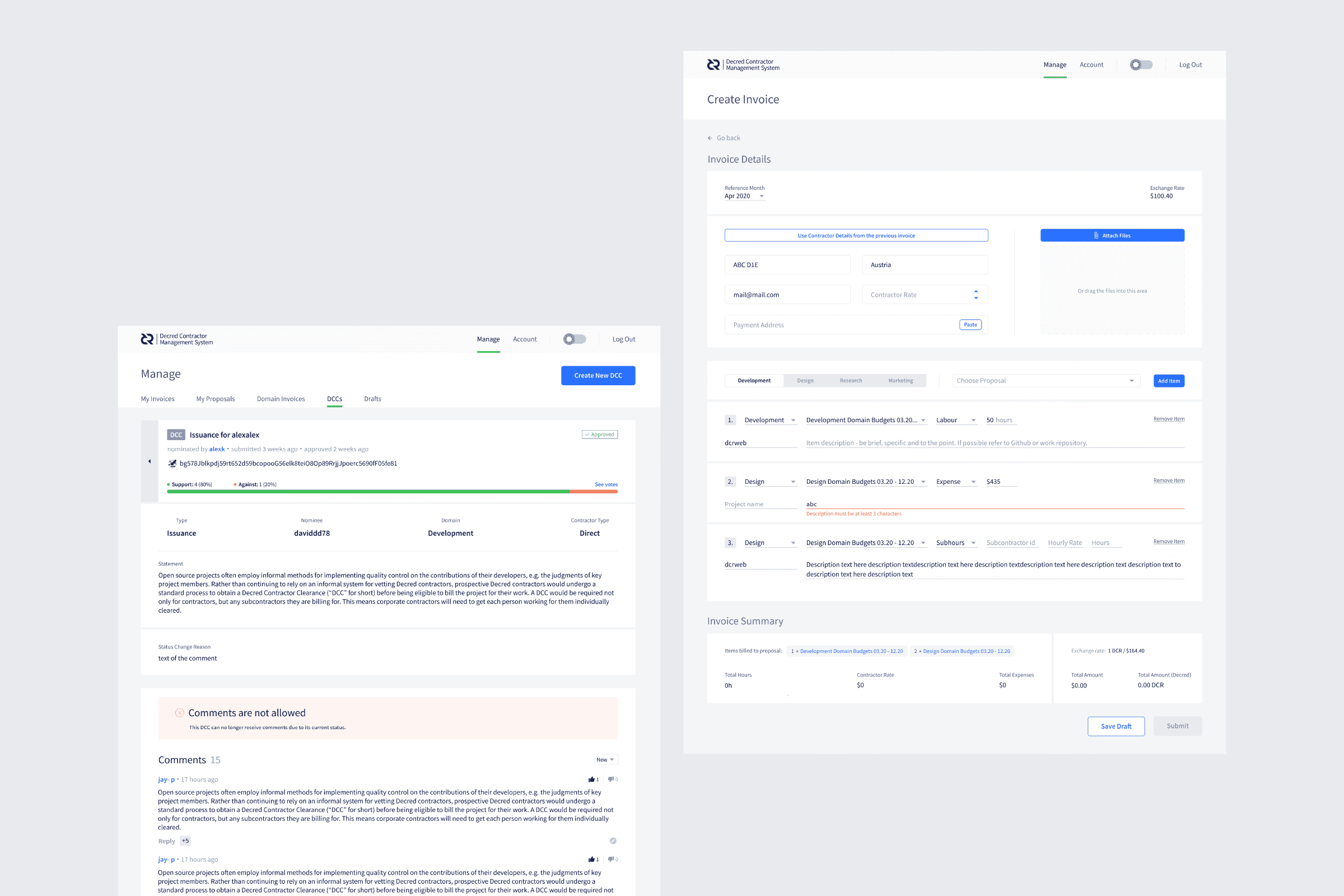
The wider work included contributor-management tools supporting billing, review and accountability: the practical systems needed to keep a distributed project working.
Across the engagement, design became a shared resource connecting the project’s identity, software and contributors.